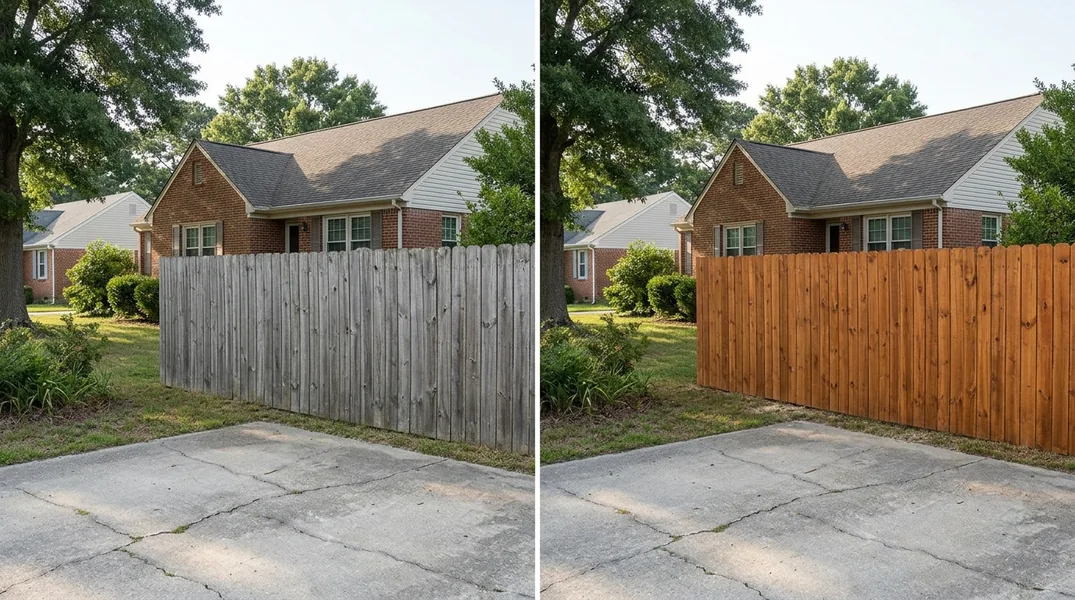
Understanding Fence Post Wet Soil Challenges in Chesapeake
If you live in Chesapeake, you know that our region's climate brings plenty of moisture, high water tables, and seasonal flooding in certain areas. These conditions create a real headache for homeowners planning Wood & Privacy Fence Installation. When water-saturated soil surrounds your fence posts, traditional deep-hole installation methods often fail because the soil lacks the structural integrity to grip and hold the post securely.
The problem becomes even more pronounced when you're dealing with clay-heavy soil common throughout our area. Wet clay becomes slippery and compacts poorly, leaving loose fence post problems that emerge within months rather than years. Many homeowners discover this issue the hard way: their beautiful new fence starts leaning, wobbling, or even falling over before the first year ends. Understanding why this happens is the first step toward installing a fence that actually lasts.
Why Traditional Deep Holes Fail in Wet Ground
The conventional wisdom for fence installation is simple: dig deep, set the post in concrete, and you're done. This approach works well in dry, stable soil where the concrete can cure properly and create a solid anchor. However, in wet conditions, this method becomes counterproductive. A deep hole in saturated ground fills with water, preventing proper concrete curing and creating an environment where the concrete never fully hardens. Instead, you end up with a weak, crumbly mixture that provides almost no support.
Additionally, deep holes in wet soil disturb more of the surrounding earth, and when that earth is already waterlogged, you're essentially creating a mud pit around your post. The concrete may eventually harden, but it's often surrounded by loose, unstable material. This means your post can still shift and move as the soil around it settles and shifts with seasonal water level changes. Many homeowners who've experienced loose fence posts after just one or two seasons were victims of this deep-hole approach in poor soil conditions.
The Width Advantage: Wider Holes, Better Stability
The solution that professionals prefer for wet ground is counterintuitive: go wider instead of deeper. A wider hole distributes the post's weight across a larger surface area, and more importantly, it allows you to work with a larger volume of concrete that can properly cure even in damp conditions. When you dig a hole that's significantly wider than the post itself (typically 12 to 16 inches in diameter for standard 4x4 posts in wet soil), you create a larger concrete footprint that acts like an anchor.
This wider approach also addresses the water problem directly. With more concrete surrounding the post and a shallower overall depth, you reduce the time the concrete spends in standing water. You can also employ better drainage techniques around the hole, such as creating a slight mound or adding gravel beneath the post to encourage water runoff. The result is concrete that cures properly and creates a stable, long-lasting foundation for your fence. In Chesapeake neighborhoods where wet soil is the norm rather than the exception, this technique has proven far more reliable than traditional methods.
Setting Fence Posts in Concrete: Best Practices for Wet Conditions
When you're setting fence posts in concrete in areas with high moisture, technique matters as much as materials. Start by digging your hole wider rather than deeper, ideally 12 to 16 inches in diameter and only 24 to 30 inches deep for standard residential fencing. Before pouring concrete, place a few inches of gravel at the bottom of the hole to provide drainage and prevent the post base from sitting directly in water. This simple step makes a significant difference in how well your concrete cures and how stable your post remains over time.
Use a high-quality concrete mix designed for outdoor use, and consider adding a concrete bonding agent if the soil is particularly wet. Mix the concrete to the right consistency, not too wet and not too dry, then fill the hole around the post in stages. Tamp down each layer gently to remove air pockets, which can weaken the concrete. Allow adequate curing time, typically 48 to 72 hours, before applying any stress to the fence. In humid conditions like ours, curing actually takes longer, so patience is essential. Many DIY installations fail because homeowners start building their fence too soon after setting posts.
When to Call Wood & Privacy Fence Installation Professionals Near Me
While understanding proper post installation techniques is valuable, wet soil conditions often warrant professional help. The experts at Chesapeake Fence Company have spent years perfecting fence installation in our region's challenging soil conditions. They understand local water table patterns, seasonal moisture fluctuations, and the specific soil composition of different Chesapeake neighborhoods. When you hire professionals for your Wood & Privacy Fence Installation, you're getting decades of accumulated knowledge about what works and what doesn't in our area.
Professional installers also have access to specialized equipment and materials that make a real difference in wet conditions. They can properly assess your soil, determine the optimal hole width and depth for your specific situation, and ensure posts are perfectly plumb and stable. If you're planning a fence project and your property has wet soil, drainage issues, or a history of moisture problems, getting a free estimate from experienced professionals is a smart investment. Call Chesapeake Fence Company at (757) 296-1863 to discuss your project and learn how they can help you avoid the loose post problems that plague so many homeowners.
Long-Term Maintenance: Keeping Your Posts Stable Year After Year
Installing your fence posts correctly is just the beginning. In Chesapeake's wet climate, ongoing maintenance is crucial for keeping your fence stable and attractive for years to come. After your posts are set, monitor them through seasonal changes. Spring thaw and heavy rains can cause additional settling or shifting, so check post alignment periodically and look for signs of leaning or movement. If you notice any instability, address it quickly rather than waiting for the problem to worsen.
Proper drainage around your fence line is equally important. Make sure water doesn't pool or collect near the base of posts. If you notice standing water after rain, consider regrading the area or installing a simple drainage solution. Keep vegetation trimmed back from the fence to allow air circulation, which helps prevent moisture buildup and wood rot. With these maintenance practices and proper initial installation using the width-over-depth approach, your fence should provide reliable service for many years. If you're uncertain about any aspect of fence maintenance or if you're noticing problems with an existing fence, don't hesitate to reach out to Chesapeake Fence Company for professional advice.
Looking for a professional tree service in Chesapeake? Chesapeake Fence Company responds fast for all your fence needs.
Get a Free Quote