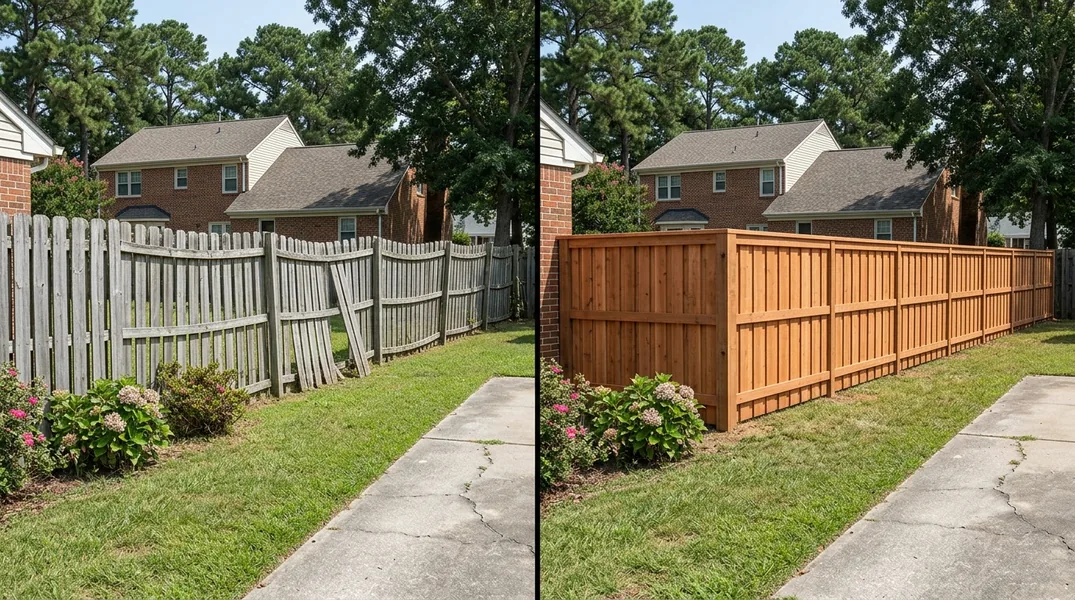
Understanding Virginia Pool Barrier Code Requirements
If you own a swimming pool in Chesapeake, Virginia, you're required by law to install proper safety barriers around it. Pool drowning remains a leading cause of unintentional death for children, which is why Virginia enforces strict pool barrier codes designed to prevent unauthorized access, especially by young children. These regulations apply whether you have an in-ground pool, above-ground pool, or any other permanent water feature on your residential property.
Virginia's pool safety requirements fall under the state's building code and are enforced at the local level by Chesapeake's building and zoning departments. The regulations specify minimum standards for fencing, gates, and other barriers that must completely surround your pool area. Understanding these requirements before you install or upgrade your pool fence is essential to ensure compliance, avoid fines, and most importantly, protect children and guests from accidental drowning.
Minimum Height Requirements for Pool Fences
Virginia pool barrier code mandates that any fence surrounding a swimming pool must be at least 4 feet tall, measured from the ground to the top of the fence. This height requirement applies to all sides of the pool enclosure and is measured on the side of the fence that faces away from the pool. The 4-foot minimum is a critical safety standard because it makes it significantly more difficult for small children to climb over or gain access to the pool area without adult supervision.
When installing a new pool fence in Chesapeake, homeowners have several material options that can meet this height requirement. Wood & Privacy Fence Installation is a popular choice for pool enclosures because wood fences provide solid coverage, can be customized to your aesthetic preferences, and easily meet the 4-foot height standard. Vinyl & PVC Fence Installation is another excellent option that offers durability and low maintenance, while Chain Link Fence Installation provides a more affordable alternative that still meets all Virginia safety codes. Whatever material you choose, the height must be verified during installation to ensure full compliance.
Gap and Spacing Requirements Between Fence Boards
Beyond height, Virginia pool barrier code is very specific about gaps in your fence structure. The regulation states that openings in the fence cannot exceed 4 inches in any dimension. This means the space between vertical boards, the gap between the bottom of the fence and the ground, and any other opening in the fence structure must not allow a sphere 4 inches or larger to pass through. This specification prevents small children from squeezing through gaps or finding ways to bypass the barrier.
The bottom of the fence is particularly important. Many homeowners don't realize that the fence must be installed so that no gap larger than 4 inches exists between the fence bottom and the ground. If your yard has uneven terrain, you may need to adjust the fence installation or add additional materials at ground level to meet this requirement. Aluminum & Ornamental Iron Fencing can sometimes present challenges with spacing requirements, so professional installation is especially important with these materials. When you work with experienced fence installers in Chesapeake, they understand these spacing regulations and will ensure your pool fence meets every requirement.
Self-Closing and Self-Latching Gate Requirements
One of the most critical components of pool barrier compliance is the gate. Virginia pool barrier code requires that any gate providing access to the pool area must be self-closing and self-latching. A self-closing gate automatically swings shut after someone passes through it, while a self-latching gate automatically locks into place without requiring manual action. The gate must also open outward, away from the pool, so that if a child were to push on it, the gate would open away from the water rather than toward it.
The latch mechanism on your pool gate must be positioned at least 54 inches above the ground and must not be accessible to children. This means the latch should be out of reach for a child standing on the ground or even standing on a small object. Additionally, the gate itself must meet the same height and spacing requirements as the fence, and it must be constructed so that it cannot be easily bypassed. Many homeowners install multiple gates around their pool area, and each one must independently meet these self-closing and self-latching requirements. If you're upgrading an existing pool fence or installing a new one, ensuring proper gate installation is just as important as the fence itself.
Pool Fence Installation Near Me: When to Call a Professional
While some homeowners attempt DIY fence installation, pool fences are one area where professional installation is strongly recommended. The specific requirements for height, spacing, gate mechanisms, and material durability mean that mistakes can have serious safety consequences. A professional fence contractor in Chesapeake will know exactly how to interpret local codes, install materials correctly, and ensure your pool barrier meets every Virginia requirement.
When you contact Chesapeake Fence Company at (757) 296-1863 for a free estimate, our team will assess your pool area, discuss your material preferences, and provide a detailed plan that ensures full compliance with Virginia pool barrier code. Whether you need Wood & Privacy Fence Installation, vinyl, chain link, or another fencing solution, we have the expertise to get it right. Professional installation also protects you legally, as you can document that your pool fence was installed by qualified contractors who understand the regulations.
Inspections and Ongoing Compliance
After your pool fence is installed, Chesapeake's building department will typically conduct an inspection to verify that the installation meets Virginia pool barrier code. This inspection checks the height, spacing, gate operation, and overall structure of the fence. It's important to schedule this inspection promptly after installation and to address any issues the inspector identifies. Failing inspection means you'll need to make corrections before you can legally operate your pool.
Beyond the initial inspection, homeowners should periodically check their pool fence to ensure it remains in compliance. Weather, settling ground, and normal wear and tear can affect fence integrity over time. Gates should be tested regularly to confirm they still close and latch properly, and any gaps that develop should be repaired immediately. If you need maintenance, repairs, or upgrades to your existing pool fence, Chesapeake Fence Company is here to help. Call us at (757) 296-1863 or request a free estimate to discuss your needs and ensure your pool area remains safe and compliant.
Looking for a professional tree service in Chesapeake? Chesapeake Fence Company responds fast for all your fence needs.
Get a Free Quote